Renting a Home in Amsterdam
District guide for everyone making the move to the capital.
Amsterdam is a city where your neighborhood shapes your life. Just two streets away, the atmosphere, the population, and the type of housing can be completely different. This makes choosing difficult—but also fascinating. Whether you're moving to Amsterdam from another city or landing in the Netherlands for the first time as an expat: the question isn't just whether you'll find something, but where you want to end up.
Houses in Amsterdam
That choice deserves attention, as the Amsterdam rental market is one of the tightest in Europe. The supply in the free sector is limited, competition is high, and prices are steep. But those who know what the neighborhoods have to offer can search more effectively—and increase their chances of finding the right home.
The Jordaan: Where Amsterdam Is Most Itself
The Jordaan is nestled between the Prinsengracht and the Lijnbaansgracht, a compact neighborhood with narrow streets, inner gardens, and courtyards that you only discover once you live there. Originally built as a working-class district in the seventeenth century, the Jordaan has transformed over the decades into one of the most sought-after residential areas in the country. The Nine Streets on the edge, the Noordermarkt on Saturdays, the traditional 'brown cafés' on the Bloemgracht—these are the places that give the neighborhood its character.
Rental properties in the Jordaan are almost always upper-floor apartments in historic buildings: steep stairs, high ceilings, views of a canal or inner garden. Space is scarce—the average home is compact, and a garden is more an exception than a rule. What you get is an irreplaceable location. The Westerkerk around the corner, the Anne Frank House two streets away, and the ability to do everything by bike.
Landlords in this area receive dozens of responses per property. A complete dossier—income statements, employer's declaration, references from a previous landlord—is not a luxury but a necessity. Expats without a Dutch rental history would do well to have an employer's letter with a clear income guarantee prepared.
De Pijp: International, Energetic, and Always Moving
Just south of the city center, bordered by the Amstel river and the Sarphatipark, lies De Pijp—the neighborhood that shows Amsterdam at its most cosmopolitan. Since the North/South Metro Line gave the area a metro station, accessibility has improved even further, but its appeal existed long before that. The Albert Cuyp Market, the longest daily market in the Netherlands, forms its backbone. Around it are dozens of restaurants, coffee bars, and shops that reflect its international population.
De Pijp was originally a nineteenth-century working-class district. The houses are narrow, the floors small, and many buildings have been renovated multiple times over the years to meet modern requirements. In the Old Pijp, around Ferdinand Bolstraat, the buildings are most characteristic; in the New Pijp (south of the Ceintuurbaan), you'll find a bit more space and more recent construction.
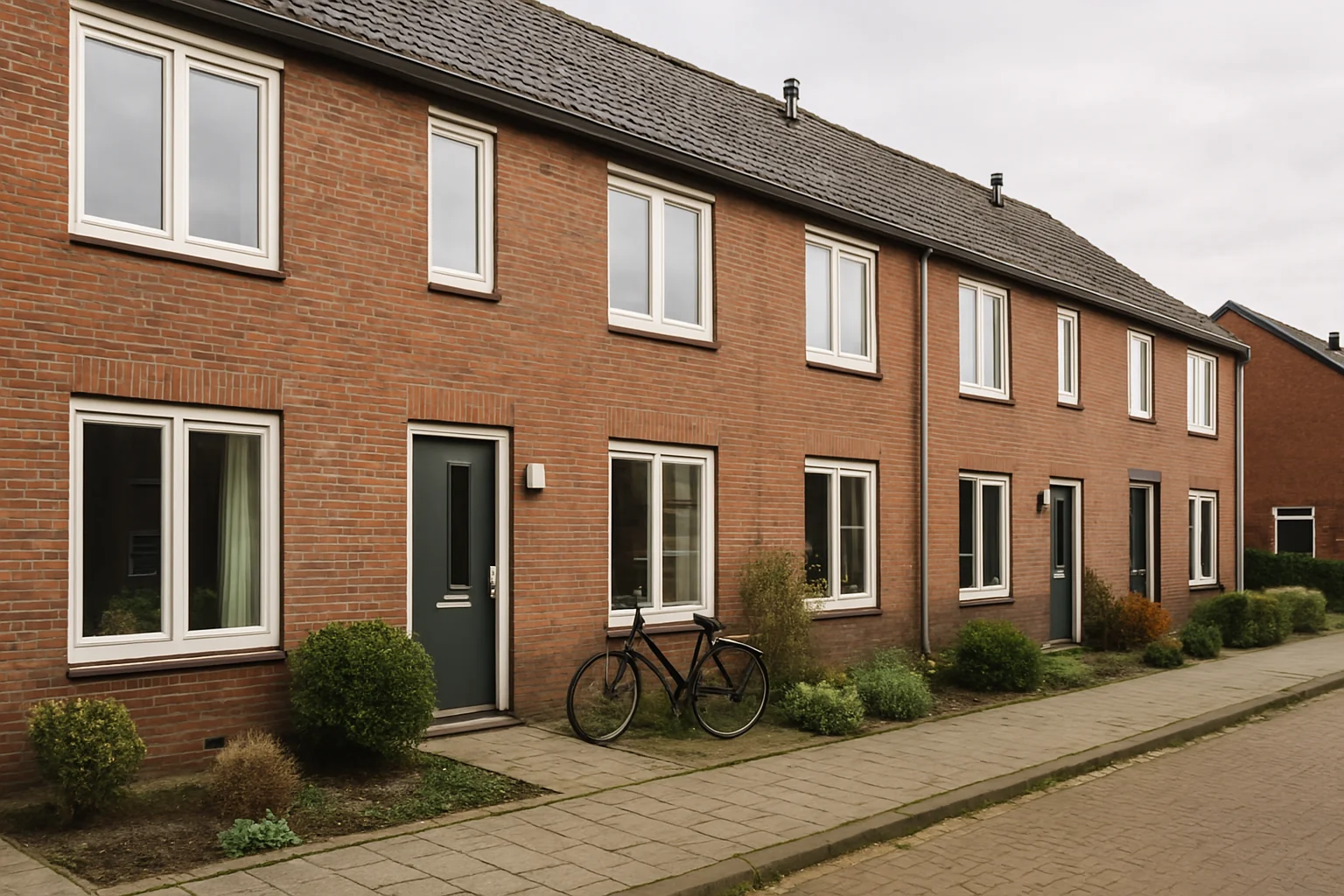
€2,850 / month
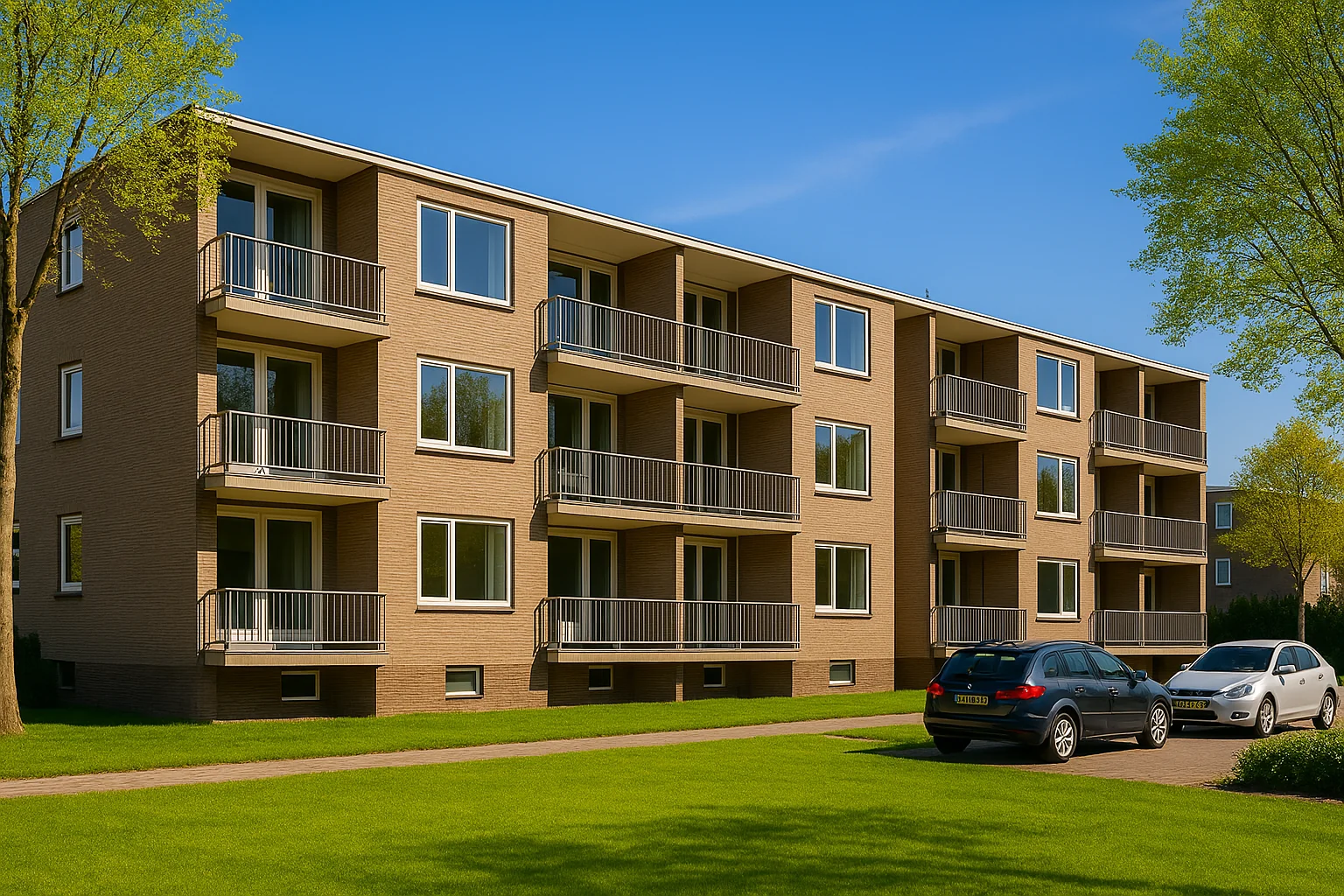
€2,750 / month


€2,600 / month


€4,150 / month


€2,150 / month


€3,500 / month
The neighborhood attracts young professionals, international workers, and couples who want to embrace city life. Families also live there, although space is limited. Those looking to rent a home in Amsterdam here must be quick and decisive—properties here sometimes go within a day.
Oud-West: The Neighborhood That Combines Everything
Oud-West is the district that acts as a hinge between the historic center and the Vondelpark. Kinkerstraat and Bilderdijkstraat are the shopping streets, the Foodhallen in the former tram depot is the culinary hub, and Vondelpark is the backyard. It's a neighborhood with a strong identity of its own: less touristy than the Jordaan, less hip than De Pijp, but with a mix of authenticity and vibrancy that many residents don't want to leave.
The housing supply in Oud-West is varied. Along Overtoom and Nassaukade are stately nineteenth-century buildings with spacious apartment homes. In the narrower side streets, you'll find more compact homes, sometimes with a balcony or a small roof terrace. The demographic mix is strikingly diverse: many expats and young professionals, but also families who have lived in the neighborhood for generations.
The Helmersbuurt and Cremerbuurt are relatively quiet by Amsterdam standards, with tree-lined streets and a neighborhood feel you won't easily find in the center. Trams 1 and 17 connect the district to the center and Sloterdijk station, and by bike, you can be at Dam Square or Leidseplein in ten minutes.
Oud-Zuid and the Museum Quarter: Refined Living with Allure
South of Vondelpark begins an Amsterdam that feels like a different city. The wide, plane-tree-lined avenues, the stately mansions from architect Berlage's Plan Zuid, P.C. Hooftstraat, and Museumplein—Oud-Zuid is the capital's most prestigious residential address. The Rijksmuseum, the Van Gogh Museum, and the Concertgebouw are all within walking distance.
The Apollobuurt and Willemsparkbuurt have traditionally attracted affluent families and a large international community. It's no coincidence that several international schools are located in the area. Homes in Oud-Zuid are more spacious than in most other neighborhoods: high ceilings, large windows, original details from the 1920s and 1930s. This translates into commensurately high rental prices—this is the city's most expensive segment.
In the Stadionbuurt, around the Olympic Stadium, a transformation is currently underway. New residential complexes stand alongside historic buildings, and Stadionplein is developing with restaurants, bars, and a weekend market. It's a part of Zuid that is in motion and where there is sometimes slightly more supply than in the established neighborhoods around it.
Rivierenbuurt: The Family-Friendly Neighborhood with the Best Connections
The Rivierenbuurt, with streets named after Dutch rivers, is one of the best-kept secrets for families who want to live centrally. The neighborhood is part of Plan Zuid and was built in the 1920s and 1930s in the characteristic Amsterdam School style: wide streets, spacious homes with bay windows, and a clear layout. Amstel Station is on the edge of the neighborhood and offers direct train and metro connections to Schiphol, Utrecht, and the city center.
The atmosphere is more relaxed than in De Pijp or the Jordaan. Maasstraat and Rijnstraat are the local shopping streets, Amstelpark offers space for children, and the accessibility to the Zuidas—Amsterdam's international business district—makes the neighborhood particularly popular with working parents and expats with jobs on the Zuidas.
Houses Price Breakdown in Amsterdam
| Bedrooms | Average | Median | Price Range | Available |
|---|---|---|---|---|
1 | €1,703 | €2,200 | €408 - €2,500 | 0 / 3 |
2 | €2,405 | €2,100 | €1,565 - €4,250 | 5 |
3 | €2,811 | €2,539 | €1,515 - €8,500 | 5 |
4+ | €4,542 | €3,500 | €1,830 - €24,500 | 5 |
Oost: The Creative Ascent Beyond Oosterpark
Amsterdam-Oost is the district that has changed the fastest in recent years. The Indische Buurt, once a typical working-class neighborhood, now buzzes with coffee shops, restaurants, and creative businesses along Javastraat. Watergraafsmeer offers a greener, quieter living environment with Park Frankendael around the corner. And the Eastern Docklands—Java Island, KNSM Island, Borneo Island—combine spectacular architecture with waterfront living.
For those seeking space without leaving the city, Oost is interesting. Homes are on average slightly larger than in the center, rental prices are slightly lower, and the atmosphere is less touristy. Javastraat has developed into one of the city's nicest shopping streets, and tram line 14 and multiple bus lines provide good connections. Young international workers and creative professionals form a growing part of the residents.
Income Requirements and Documents
Free sector landlords typically apply an income requirement of three to four times the net monthly rent. Prepare with recent payslips, an employer's statement, and—for expats—an employment contract in English. Self-employed individuals usually need annual figures and an accountant's statement.
Responding and Viewing
Amsterdam has open viewings where dozens of candidates come to look at once. The selection process is quick: landlords often choose within days. Respond immediately, be complete in your first message, and clearly state your situation. A personal, professional response distinguishes you from the crowd.
Set Up Notifications
Set up a search profile on our platform based on neighborhood, maximum rent, and number of rooms. You will receive a notification as soon as a suitable property comes online. In a market where properties are sometimes gone the same day, that's a head start that counts.
Zuidas and Buitenveldert: Work and Live in One Place
The Zuidas is Amsterdam's international business district, but it's long been more than just an office area. More and more homes are being built—modern complexes with underground parking garages, concierge service, and city views. Station Zuid, currently being expanded into a full-fledged multimodal hub, connects the district to Schiphol, Utrecht, and the city center.
Immediately next to the Zuidas, Buitenveldert offers a quieter alternative: a post-war neighborhood with a mix of low-rise, mid-rise, and spacious apartments. Gelderlandplein is one of the larger shopping centers in Zuid, Amstelpark offers recreation, and the international community is strongly represented here. The combination of quiet living and being at the office in ten minutes makes Buitenveldert popular with expats and dual-income earners.
Looking Further When the City is Full
The reality is that many home seekers, after weeks or months of searching in popular neighborhoods, still haven't found anything. That's not unusual—it's part of the Amsterdam market. It is then wise to broaden your search area without completely abandoning the city.
Amstelveen borders Zuid and has a direct metro connection. Diemen is within cycling distance of Watergraafsmeer and Oost. Zaandam offers a ten-minute train connection to Centraal Station. On our platform, you can expand your search to these regional municipalities without having to search separately—the boundaries between Amsterdam and the surrounding places are fluid in practice.
Be honest with yourself about your budget and priorities. A smaller home in the neighborhood you really want, or more space just outside the ring? Both are legitimate choices, and it helps to consciously make that decision before you start searching.
Start Your Search
View the current selection of rental homes in Amsterdam and set up a notification based on your criteria.
View Rental Homes in Amsterdam